


The Impact of Telemedicine on the Polish Healthcare System
.png)
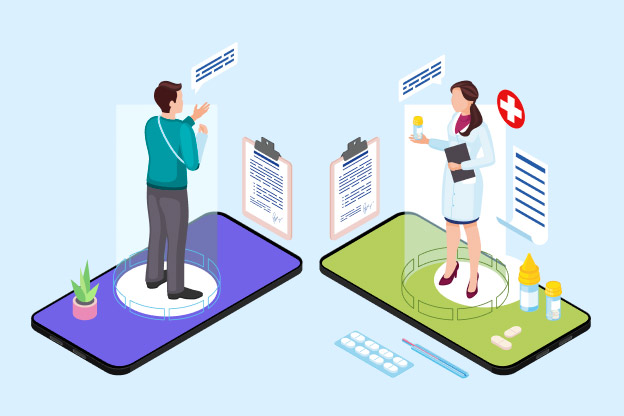
Telemedicine in Poland is rapidly developing, changing the healthcare system, and significantly impacting the accessibility, quality, and efficiency of medical services. This article discusses the main benefits and challenges of implementing telemedicine, as well as its future development in Poland.
Improving Accessibility of Medical Services
One of the main benefits of telemedicine is the ability to receive medical care regardless of the patient’s location, which is particularly important for residents of rural areas and small towns.
Main changes:
- Reduced waiting times for appointments.
- Quick access to consultations with specialized professionals.
- Addressing the shortage of doctors in remote regions.
The COVID-19 pandemic has significantly accelerated the adoption of telemedicine solutions, enabling more people to receive timely care.
Increasing the Efficiency of Medical Institutions
Telemedicine helps optimize the work of medical institutions, reducing queues and allowing doctors to focus on more complex cases. It also saves doctors’ time and reduces administrative costs.
Key advantages:
- Reduced time spent on routine tasks.
- Optimization of staff work.
- Fewer in-person visits replaced by online consultations.
Improving the Quality of Medical Care
Telemedicine allows doctors to monitor the condition of patients with chronic diseases and collect health data in real time.
Tools for improving service quality:
- Wearable devices for monitoring blood pressure and blood sugar levels.
- Online systems for treatment planning and monitoring.
- Ability to quickly share data with other specialists.
Legal and Regulatory Aspects of Telemedicine in Poland
For the successful implementation of telemedicine, clear legal regulations are required. Poland has regulatory acts, but they need to be adapted to rapid technological development.
Main legal aspects:
- Patient data protection (in accordance with GDPR).
- Defining quality and safety standards.
- Licensing and certification of telemedicine platforms.
Government authorities must continually update laws and standards to maintain high service quality and patient trust.
Challenges of Implementing Telemedicine in Poland
The implementation of telemedicine faces several challenges, including technical difficulties and a low level of digital literacy.
Main challenges:
- Technical issues: Low digital literacy and limited access to devices in some regions.
- Lack of trust: Some patients and doctors still prefer traditional treatment methods.
- Legal uncertainty: The need for legislative adaptation.
Educational programs and infrastructure development are needed to solve these issues.
Prospects and Future of Telemedicine in Poland
The future of telemedicine in Poland looks promising. The increasing number of companies offering telemedicine solutions and government support will drive further growth.
Main prospects:
- Expansion of services: Psychology, cardiology, dermatology, and other fields.
- Introduction of artificial intelligence: Automation of routine tasks and data analysis.
- Improving video communication and integrating augmented reality: Enhancing diagnostic quality and training.
Telemedicine has a significant impact on the Polish healthcare system, making it more accessible, flexible, and efficient. Despite current challenges, this sector will continue to grow actively in the coming years, changing the perception of medical services for both patients and doctors. State support and legislative adaptation will play a key role in the successful integration of telemedicine in Poland.



.png)

.png)



.png)


