

Medicine in Denmark
The Danish healthcare system is one of the most democratic and efficient in Europe, with the state covering 84% of medical and pharmaceutical costs. Public medicine in Denmark is not limited to primary care; compulsory insurance reimburses the main costs of treatment. Many working Danes also have commercial insurance from their employer, which covers the cost of extraordinary care in private clinics.
The healthcare system in Denmark
Access to the medical care system is opened by a "yellow card" - a compulsory state insurance policy that assigns a family doctor - therapist or pediatrician to the patient. Family doctors conduct primary reception of patients, issue referrals to narrow specialists, prescribe tests and examinations. The state healthcare system in Denmark includes a wide range of services, the same for native Danes and foreigners with a residence permit:
- initial appointment and emergency care;
- consultations of narrow specialists;
- medical care for children under 15;
- professional examinations, screenings and vaccinations;
- basic analyzes and surveys;
- inpatient treatment and operations;
- management of pregnancy and childbirth;
- care for the elderly and seriously ill;
- psychological counseling for young people (18-24 years old);
- dental check-ups and treatment for children under 18 years of age.
For foreigners without a residence permit, one-time medical care in Denmark is provided under contractual insurance; to open a visa, the coverage limit is 30,000 EUR. Expats from Danish branches of cross-border companies can apply for the Udbetaling Danmark card, which replaces an insurance policy and is issued for two years.
Health care in Denmark under voluntary insurance is divided into three categories - treatment, prevention and advanced diagnostics. VHI policy for prevention is usually purchased to help pay for the services of physiotherapists, massage therapists and psychologists; At the same time, a number of services cannot be paid for by insurance:
- preventive interventions and plastic surgery;
- dental treatment for adults;
- cosmetology and figure correction;
- cryopreservation, IVF and other reproductive technologies;
- treatment of STDs and antiretroviral therapy for HIV infection;
- purchase of eyeglasses and contact lenses and over-the-counter drugs.
When you need medical assistance, before visiting the clinic, you should call the service center and register an insured event. Usually, doctors in Denmark accept insurance guarantees or send a receipt with a report to send to the insurance company; sometimes you may be asked for an advance payment or pay on the spot and wait for a refund.
Ambulance in Denmark
The police, fire brigade and ambulance in Denmark are all emergency services that call on the same phone - 112. For emergency medical services, the priority is to help victims of emergencies; an ambulance is called only in case of a threat to life, and in other cases, emergency medical care is not covered by insurance. If you feel unwell after hours, go to the hospital on duty or call the emergency hotline in your area and follow the operator's instructions.
How to make an appointment with a doctor in Denmark
Making an appointment with a doctor in Denmark in advance saves you time, otherwise you risk sitting in the waiting room for up to 5-6 hours; you can make an appointment with a doctor in Denmark by calling the number indicated on the “yellow card”. The MedCom information system supports digital communication and workflow formats - online appointments, remote consultations, electronic prescriptions, etc. If you want to make an appointment with a doctor in Denmark through MedCom, ask your family doctor or pediatrician for an access code.
Waiting time for an appointment / consultation with a doctor in Denmark
Under compulsory medical insurance, patients are served on a first-come, first-served basis: it is better to make an appointment with a family doctor 2-3 weeks in advance, then wait about the same amount to see a specialist. Sometimes queues to specialized doctors stretch for months; to be accepted immediately, use the VHI policy or pay for the visit yourself.
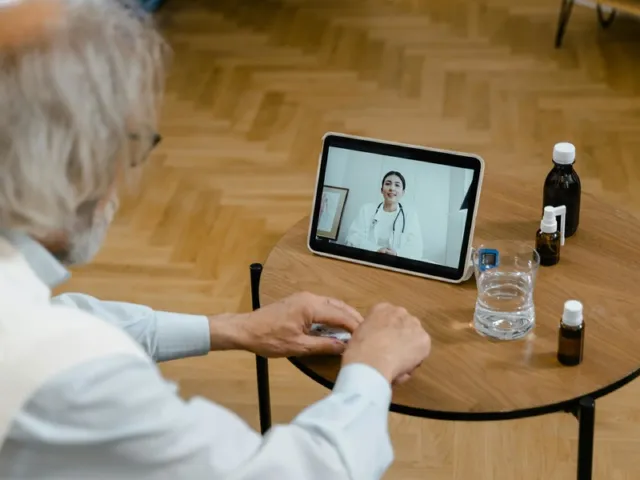
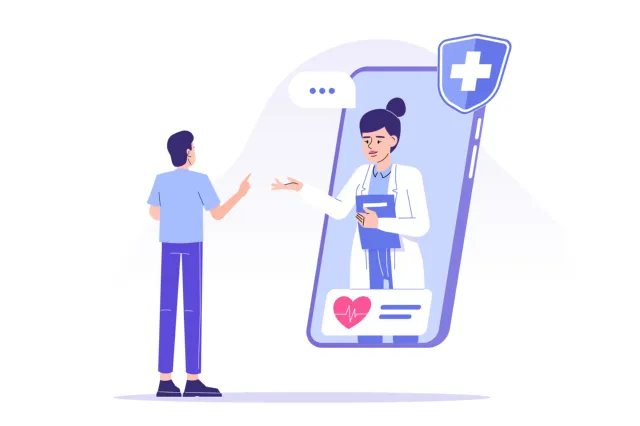
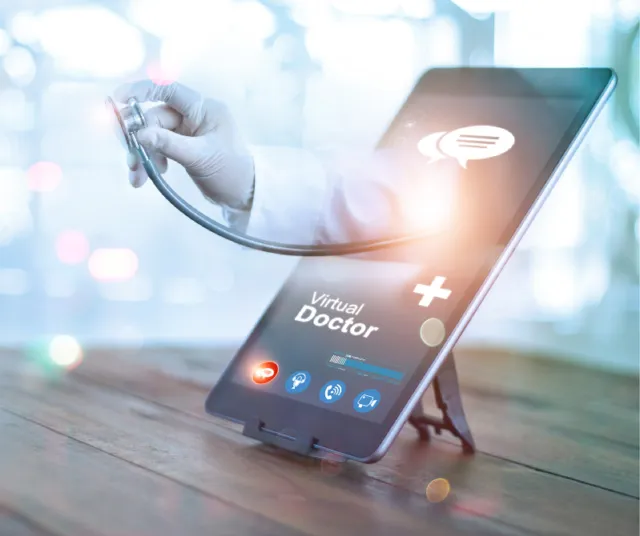
An alternative to overpayments and long waits can be a remote consultation with a doctor in Denmark on the VideoDoc online platform. Videoconferencing is cheaper than commercial medical care, and if you have an ordinary case with no complications and burdened anamnesis, there is no difference in the quality of care.
The cost of a consultation and appointment with a doctor in Denmark
Without insurance, the price of a doctor's appointment in Denmark reaches 40-50 EUR, a narrow specialist asks for a one-time consultation from 35 EUR, for a stay in a hospital they charge from 80 DKK / day. The insurance completely writes off the cost of consulting a doctor in Denmark at public health centers and covers most of the costs when contacting a private clinic.
The amount of the annual VHI contribution depends on a number of factors: age, gender, profession, volume and complexity of services. Employers' insurance contributions for employees are 250-400 EUR per person per year, for entrepreneurs and the self-employed, the amount is slightly higher.
Medical prescriptions in pharmacies in Denmark
Although mass-market drugs are sold without restrictions, many seek to get a prescription for a drug in Denmark for the sake of discounts and compensation. The higher the need for medicines, the more expenses are covered by the state; if the total drug costs exceed DKK 3,600, prescription drugs are fully reimbursed. On the other hand, for the sake of some appointments, you can not go to the doctor - it's easier to consult remotely. Prescriptions written by online consultants in Danish pharmacies will be accepted without problems, and you will retain benefits and save time.



.png.webp)