

Telemedicine in Romania
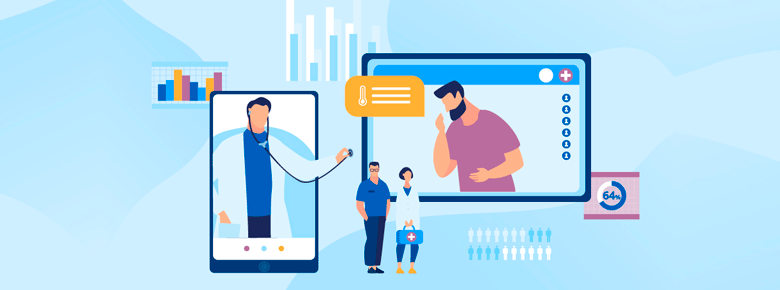
Telemedicine in Romania is a modern approach to medical care based on the use of information and communication technologies. This innovation in medicine allows patients to receive consultations and diagnostics remotely, via the Internet, which contributes to improving the accessibility and quality of medical care.
Telemedicine in Romania is gaining popularity and is being actively implemented in medical practice. This is due to the growth of technological capabilities, as well as to the need to ensure accessibility of medical care in remote and sparsely populated areas of the country. Patients in Romania can receive consultations with doctors, make remote diagnostics and monitor their condition, which improves the quality of life and contributes to more effective health management.
Telemedicine has become an integral part of modern medicine in Romania, providing convenience and accessibility of medical care for different categories of patients.
Advantages of remote diagnosis and treatment in Romania
Remote diagnosis and treatment in Romania have a number of significant advantages:
- Convenience: Patients can receive medical consultations and diagnostics directly from their home or workplace, minimizing the need to visit hospitals and clinics. This is especially convenient in cases where immediate consultation is required or where the patient's mobility is limited.
- Accessibility: Remote medical care improves the availability of medical services in remote and sparsely populated areas of Romania where medical facilities may be limited.
- Fast access to medical care: Patients can receive consultations and diagnostics almost instantly, which is especially important in cases of urgent conditions and medical emergencies.
- Chronic Disease Monitoring: Telehealth solutions allow for continuous monitoring of patients with chronic conditions, keeping track of their condition and adjusting treatment as needed, contributing to better health management.
- Cost reduction: Remote health care can reduce the cost of health care services because it does not require constant hospital visits and long travel times. It can also reduce the financial burden on the healthcare system and patients.
Thus, remote diagnosis and treatment in Romania offer convenience, accessibility, speed, and help reduce the costs of medical care, making them an important part of modern medicine.
How to get telemedicine services in Romania
There are various ways to receive telemedicine services in Romania:
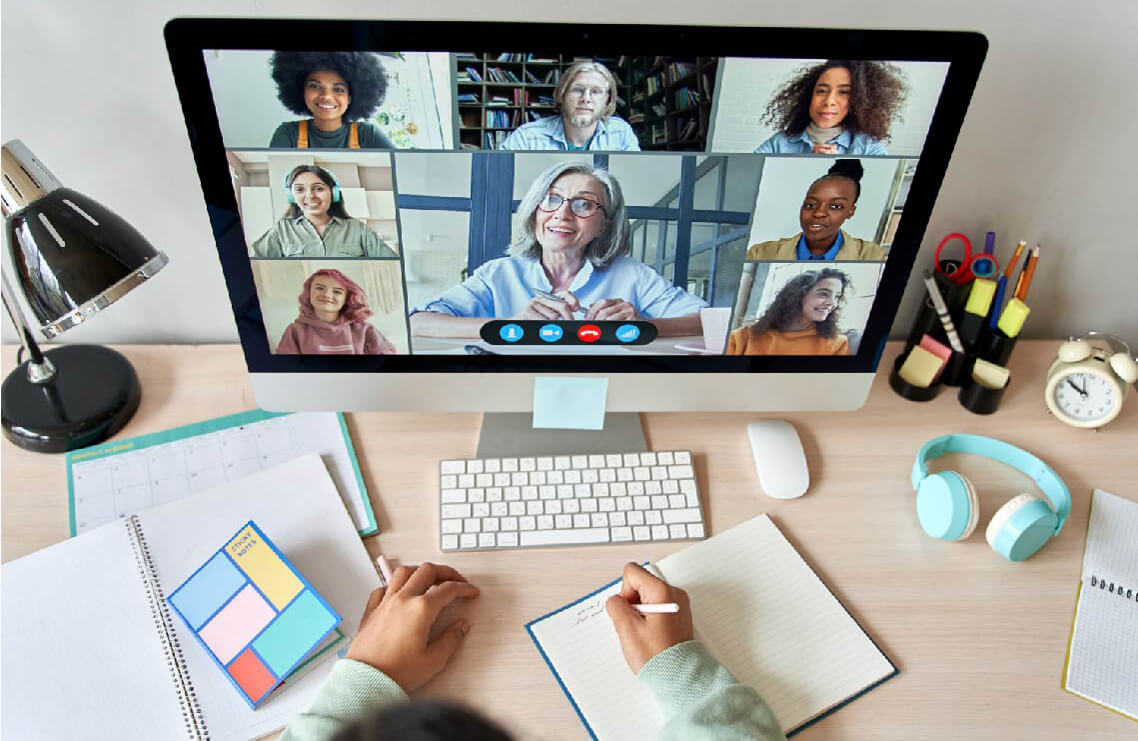
- Videoconferencing: Patients can have online consultations with doctors through video calls using popular platforms such as Skype or specialized telemedicine applications.
- Chat and text messaging: Some telemedicine service platforms provide the ability to communicate with doctors and specialists through chat and text messaging. This is convenient for asking questions and getting answers.
- Telephone consultations: Patients can communicate with doctors over the phone, receiving medical advice and counseling remotely.
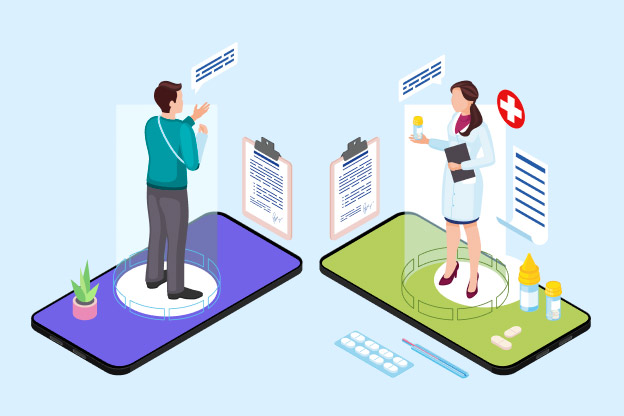
In Romania, patients can choose between public and private telemedicine service platforms, create accounts and make appointments for consultations, providing convenience and accessibility to online medical care.

.png)
.png)
.png)


.png)