

How Digital Technologies are Transforming Healthcare
.png)
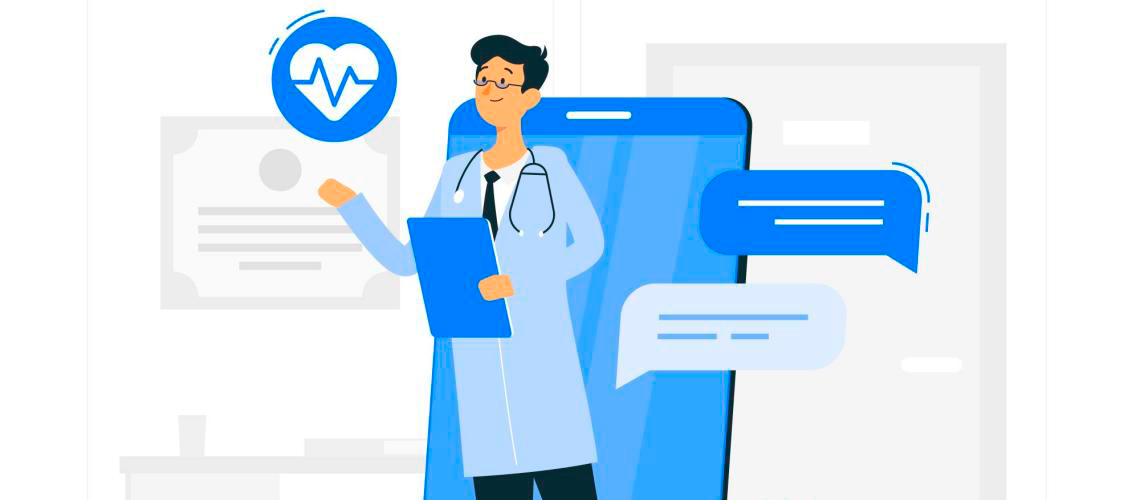
In recent years, digital technologies have revolutionized healthcare. Innovations like artificial intelligence, remote monitoring, and virtual consultations are reshaping treatment approaches, making healthcare services more accessible, efficient, and personalized. Let’s explore the key aspects of this transformation and how they influence the future of medicine.
1. Virtual Consultations: A New Level of Accessibility
Digital platforms enable patients to receive medical consultations without needing to visit hospitals or clinics. This is especially important for those living in remote areas or facing mobility limitations. Virtual consultations allow patients to connect with doctors via video calls or phones, significantly reducing wait times and improving access to medical services.
Key benefits of virtual consultations:
- Increased access to healthcare.
- Reduced travel and waiting times.
- Faster responses in urgent cases.
The shift to remote forms of patient interaction became particularly relevant during the pandemic, when in-person visits to medical facilities were restricted.
2. Telemedicine: Effective Management of Chronic Diseases
Telemedicine opens new possibilities for people with chronic diseases. By using devices that monitor health in real-time, patients can transmit data to their doctors without needing regular visits. This allows for timely treatment adjustments and prevents complications.
Examples of telemedicine tools:
- Internet-connected devices to measure sugar and blood pressure levels.
- Apps to track medication adherence.
- Online platforms for managing medical records and sharing data with doctors.
These technologies help improve patients’ quality of life by allowing them to manage their condition and receive recommendations remotely.
3. Artificial Intelligence: A New Level of Diagnosis and Treatment
Artificial intelligence (AI) is already demonstrating its potential to improve medical diagnostics. By using machine learning algorithms, AI can analyze medical images, lab results, and patient data, detecting diseases in their early stages with high accuracy.
Benefits of AI in medicine:
- More accurate diagnosis of complex diseases.
- Automated data analysis, reducing the burden on doctors.
- Quick decision-making based on data.
AI can also be used to develop personalized treatment plans based on the genetic and clinical data of each patient, making treatment more precise and effective.
4. Remote Monitoring: Safety and Comfort
Remote health monitoring allows doctors to receive real-time information about a patient’s condition. This is especially important for elderly individuals and patients with chronic diseases who require constant observation.
Capabilities of remote monitoring:
- Monitoring blood pressure, oxygen levels, and other vital indicators.
- Alerts for intervention in case of worsening condition.
- Timely treatment adjustments.
These technologies reduce the risk of hospitalizations and improve patient safety by providing continuous monitoring of their condition.
5. Data Security: Cyber Threats and Protection
The digitization of healthcare also requires special attention to cybersecurity. As the volume of digital patient data grows, the protection of information becomes critically important.
Key aspects of data protection:
- Safeguarding patients’ personal data from unauthorized access.
- Compliance with international standards, such as GDPR.
- Regular updates of security systems to prevent cyberattacks.
Medical institutions must ensure the reliable protection of personal data to maintain patients’ trust and prevent the leakage of confidential information.
6. The Future of Digital Medicine: New Horizons
The future of medicine is closely tied to the ongoing development of digital technologies. New solutions are being developed that will make treatment even more precise, efficient, and convenient for patients.
Key areas of future development:
- Virtual and augmented reality for training doctors and performing complex medical procedures.
- Extensive use of genetic analysis to create personalized treatment plans.
- Integration of artificial intelligence into everyday clinical practice.
Digital medicine will continue to evolve and integrate into the daily practice of doctors, providing new levels of quality and accessibility in healthcare services.
Digital technologies have already transformed, and will continue to transform, the healthcare sector, offering new opportunities for both patients and medical professionals. Virtual consultations, telemedicine, artificial intelligence, and remote monitoring are just the beginning of broader changes that will make healthcare more efficient, personalized, and safe. The implementation of these technologies will play a key role in improving the quality and accessibility of medical services for every patient.