

Telemedicine in Pediatrics: How to Ensure Quality Remote Child Care
.png)
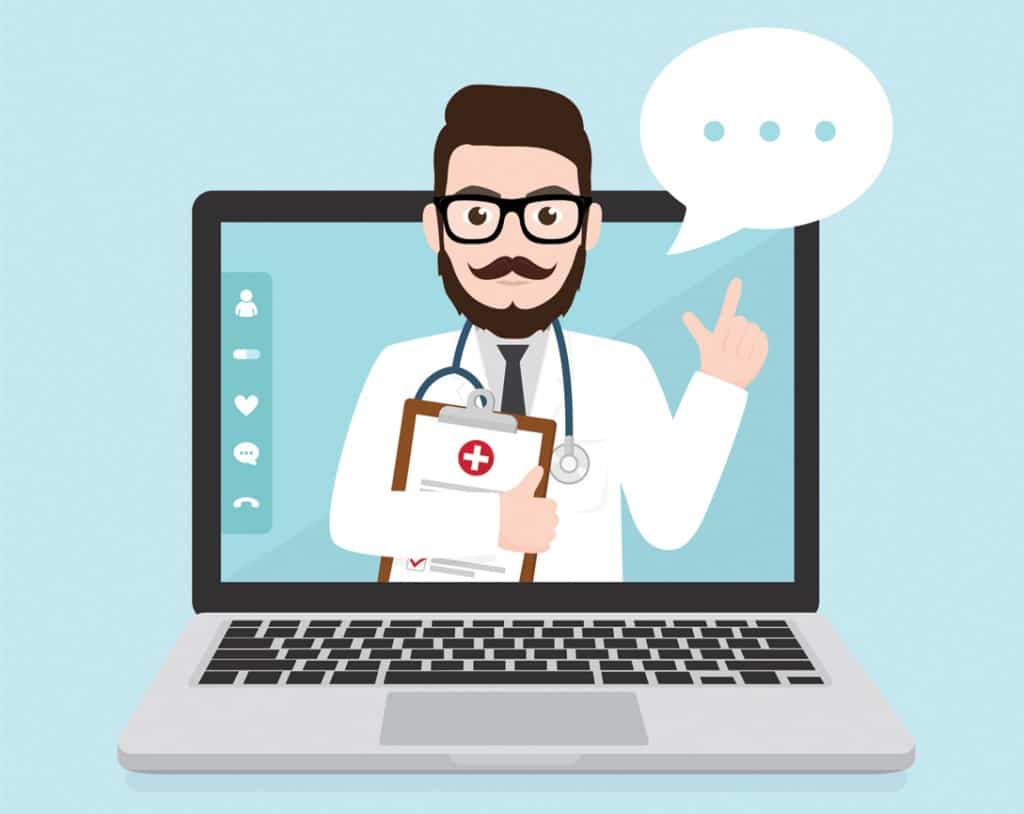
Children’s health requires special attention, and modern technologies help parents access medical care more quickly. Telemedicine in pediatrics allows parents to consult a doctor without leaving home, which is especially important in cases of sudden illness or when an in-person visit is difficult.
But can remote consultations replace traditional doctor visits? In which cases is telemedicine truly effective, and when is an in-person examination essential?
1. When is Telemedicine Useful for Children?
Remote pediatric consultations can help resolve many issues without the need to visit a clinic:
- Assess how serious the symptoms are and whether a hospital visit is necessary.
- Receive treatment recommendations for mild conditions (colds, mild allergic reactions, digestive issues).
- Get advice on nutrition, sleep, vaccinations, and child development.
- Discuss test results and adjust treatment plans.
- Obtain a second opinion before starting a course of therapy.
Telemedicine is particularly convenient for parents of infants who may find it difficult to travel to a doctor and for residents of remote areas where qualified specialists are not always available.
2. Limitations of Telemedicine in Pediatrics
Despite the convenience of remote consultations, there are situations where an in-person examination is essential:
- High fever that does not go down after taking antipyretic medication.
- Severe pain in the abdomen, chest, or head.
- Seizures, loss of consciousness, or breathing difficulties.
- Symptoms that require laboratory tests or instrumental diagnostics (suspected pneumonia, appendicitis, injuries).
In such cases, it is crucial to seek immediate medical attention or call emergency services.
3. How to Make Remote Consultations More Effective
To get the most out of an online pediatric consultation, proper preparation is key:
- Write down symptoms, their duration, and intensity in advance.
- Prepare the child’s medical records, especially if they have chronic conditions.
- Take photos of rashes if skin reactions are a concern.
- Ensure good lighting and camera quality if the doctor requests a video examination of the child.
Some clinics are already implementing diagnostic systems using specialized mobile devices. For example, digital stethoscopes and otoscopes allow doctors to remotely listen to the child’s lungs or examine their ears.
4. The Future of Telemedicine in Pediatric Care
Technology continues to evolve, and in the coming years, telemedicine in pediatrics will become even more accessible and precise. Currently, the following innovations are actively being used:
- Symptom-tracking apps that help parents determine how urgent a medical consultation is.
- Artificial intelligence that analyzes medical data and assists doctors in making diagnoses.
- Wearable health monitoring devices that track a child’s temperature, blood oxygen levels, respiratory rate, and heart rate.
These advancements are making healthcare more efficient and accessible.
5. Conclusion
Telemedicine in pediatrics is a convenient tool that helps parents quickly consult with doctors without exposing their child to unnecessary risks. However, remote consultations cannot fully replace in-person medical examinations, especially in urgent situations.
The future lies in integrating technology with medicine, which will make remote diagnostics even more accurate and safe.




.png)