

Cybersecurity in Telemedicine: Protecting Patient Data
.png)
With the development of telemedicine, patients have gained the ability to seek medical care remotely. However, this advancement has also introduced a new threat—data breaches. Medical information is particularly valuable to cybercriminals as it contains not only personal details but also medical histories, test results, and financial records.
How is data security ensured in telemedicine? What risks exist, and how can patients protect themselves?
1. Why Medical Data is a Prime Target for Hackers
Medical data is valuable for several reasons:
- It contains personal information that can be used for fraud.
- Medical histories, diagnoses, and prescriptions can be sold on the black market.
- The threat of a data breach can be used to blackmail patients or medical institutions.
- Healthcare institutions often have weak cybersecurity measures.
According to research, attacks on healthcare systems occur more frequently than in other industries. Hacked databases can be used to forge insurance policies, sell fake prescriptions, and even commit identity theft.
2. Key Cybersecurity Threats in Telemedicine
The rise of online medicine has brought new cyber threats, including:
- Attacks on medical institution servers – Hackers can steal data or block access to systems.
- Phishing attacks – Scammers send emails posing as medical services to trick patients into providing their data.
- Malware – Viruses can infect medical systems and steal information.
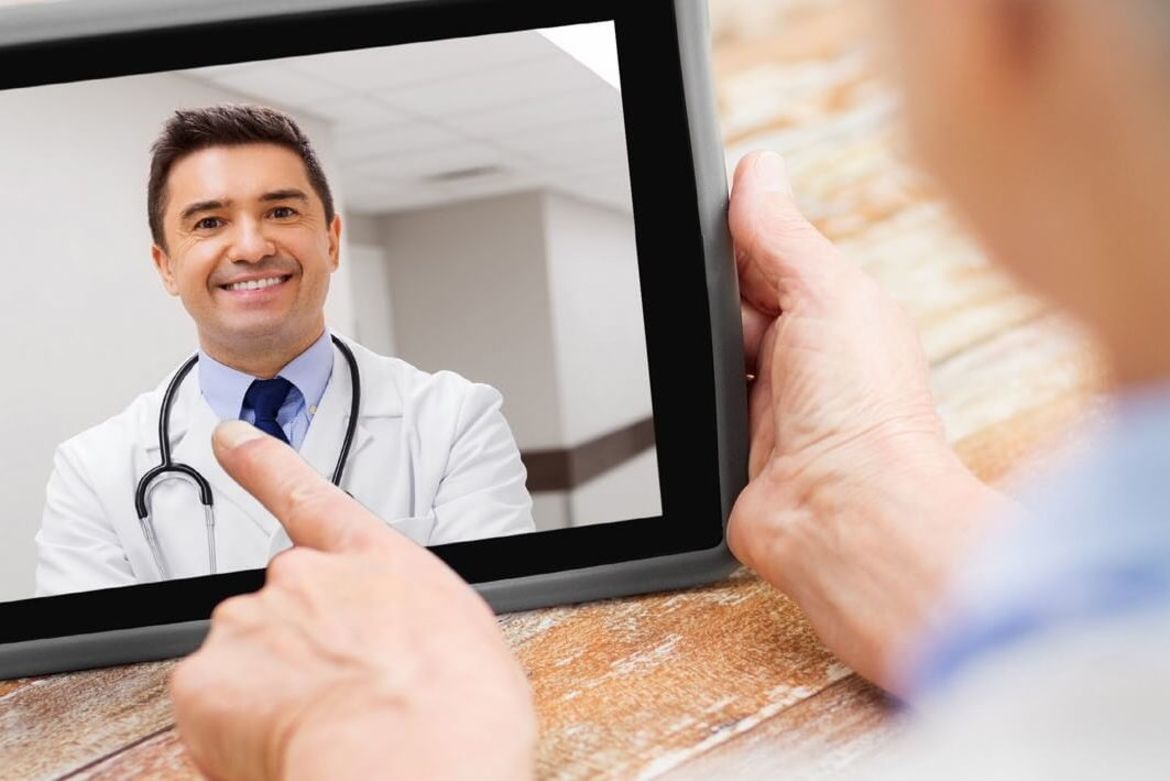
- Confidentiality breaches during video calls – If communication is not encrypted, third parties may gain access to conversations between patients and doctors.
3. How Medical Organizations Protect Patient Data
Several key technologies are used to protect data:
- Encryption – All medical records are transmitted and stored in an encrypted format.
- Two-factor authentication – Doctors and patients must verify their identity when logging into the system.
- VPN and secure connections – Video calls and chats between doctors and patients take place through secure channels.
- Regular software updates – These help eliminate vulnerabilities in data protection.
4. How Patients Can Protect Their Information
Patients should also follow security measures to prevent their data from falling into the hands of fraudsters.
Use only trusted medical services
Before registering on a telemedicine platform, check its license and reviews.
Create strong passwords
Use long passwords that include numbers, letters, and special characters.
Enable two-factor authentication
This significantly reduces the risk of account hacking.
Do not share data via phone or email
Medical institutions never request passwords or financial information through calls or emails.
Use secure networks
Avoid accessing medical services via public Wi-Fi networks, as they may be vulnerable to attacks.
5. Legal Aspects of Medical Data Protection
Different countries have laws regulating the protection of medical information. For example:
- GDPR (Europe) – Requires medical institutions to protect patient data and notify about any breaches.
- HIPAA (USA) – Enforces strict confidentiality and protection of electronic medical records.
Companies providing telemedicine services must comply with these standards to ensure patient security.
6. Conclusion
As digital medical technologies continue to evolve, cybersecurity concerns are becoming increasingly relevant. Protecting patient data is not only the responsibility of medical organizations but also of the users themselves.
By following simple security rules, patients can minimize the risks of data breaches and safely use telemedicine services. In the future, further advancements in medical data protection are expected through technologies such as biometric authentication and artificial intelligence for threat detection.



.png)